
Key Facts on the 2026 Fluoride Shortage
In recent months, the proven practice of community water fluoridation has been complicated by supply shortages of fluoride and higher prices for the mineral additive. Some public water systems have temporarily stopped fluoridating due to lack of availability. It is important for health providers, parents, and public health officials to be aware of this development and work in tandem with their water systems.
In recent weeks, AAP’s Campaign for Dental Health has reached out to experts in the fluoridation process, public health and pediatric health. These professionals have provided helpful information that puts the supply shortage in the proper context. Here are the key facts they provided.
Fact 1:
 Fluoride supply shortages are not new. Over the past 20 years, there have been several times when suppliers have not had enough fluoride to meet the needs of local water systems. One of the factors in the current shortage is disruption experienced by fluoride production facilities, especially during the last hurricane season in the eastern U.S. While other producers are likely to enter the market to fill the gap, this shortage may linger until the market reaches a balance in supply-and-demand.
Fact 2:
The shortage of fluoride has caused its price to rise, in some cases dramatically. This has created a fiscal strain for many communities, as their water system budgets were based on cost of fluoride at previous lower levels. The worldwide increase in the cost of fuel is also a significant factor.
Fact 3:
 Even with much higher costs for fluoride, residents of fluoridated communities will continue to save a lot of money because fluoride prevents tooth decay and the burdensome cost to treat it. While municipalities may have to pay more to purchase fluoride, elected officials should be reminded that a fluoridated community saves $32.19 per person, per year in dental treatment prevented, a saving of ~$20 for every $1 spent on fluoridation in many communities. Even if higher prices reduce that amount by half, that is still impressive savings.
Fact 4:
The U.S. Public Health Service has recommended a fluoride concentration of 0.7 milligrams per liter. If supply shortages make this extremely difficult, public water systems can meet the technical definition of fluoridation by providing water that has a fluoride concentration of at least 0.6 mg/L.
Fact 5:
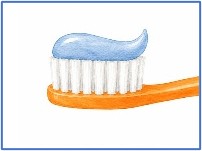 Fluoridated water and fluoride toothpaste work together to prevent decay. Both are important. When a community to temporarily suspends or reduces fluoridation, it is crucial for health providers and public health officials to encourage parents to ensure that their children are brushing twice each day with fluoride toothpaste. This doesn’t replace the fluoride benefit temporarily missing from tap water, but it is a crucial way to protect teeth.
Go to My Water’s Fluoride for more information on your local water system.
Fact 6:
The National Science Foundation (NSF) sets standards for fluoride additives, and it maintains a list of companies that supply fluoride for water fluoridation. Local communities that face supply shortages can check this list to consider alternate suppliers, as well as to look for better prices.
We live in a time when costs of virtually everything have increased. Groceries, gasoline and health insurance premiums are only a few examples. Although higher prices for fluoride may increase the cost of fluoridation in the near future, experts believe the price of the mineral will eventually fall. And let’s remember that the costs of treating tooth decay also continue to rise. Once decayed, a tooth has a significant lifetime cost because an initial filling doesn’t last forever. By preventing tooth decay, water fluoridation makes it less likely that families must pay for fillings or other costly treatments.